Create Your First Power Apps Code App with PAC CLI
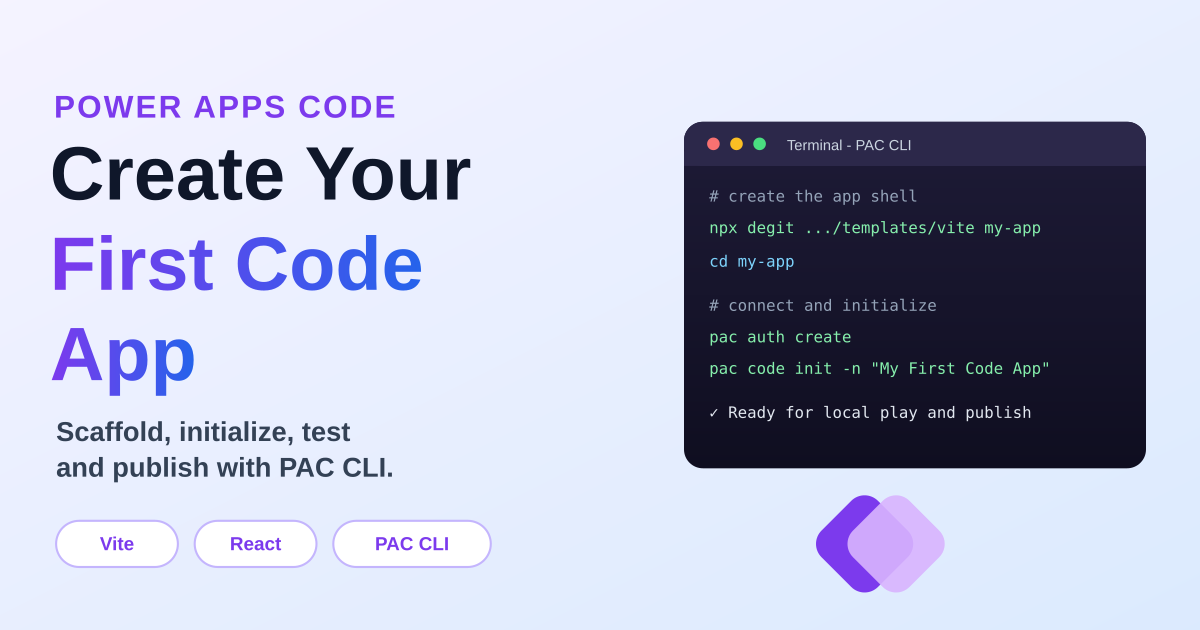
A practical first-app walkthrough for Power Apps Code: create the Vite React starter, authenticate PAC CLI, initialize the code app, run it locally, build it, and publish it to Power Apps.
This category covers Power Apps concepts with a strong focus on Power Apps Code, PAC CLI, React project structure, Dataverse, and data-source integration. It is designed for makers and developers who want to understand where low-code and pro-code development meet.
Open the Power Apps Code learning hubYou will learn how to set up developer tooling, create a first Power Apps Code app, connect to Dataverse, understand generated project files, and think through data access. The articles are practical setup and build notes for real development work.
This article archive collects the concepts, setup steps, design choices, and common implementation patterns behind Power Apps. Use them as practical references while planning, building, testing, and improving Microsoft 365 solutions.
7 articles in “Power Apps”
A practical first-app walkthrough for Power Apps Code: create the Vite React starter, authenticate PAC CLI, initialize the code app, run it locally, build it, and publish it to Power Apps.
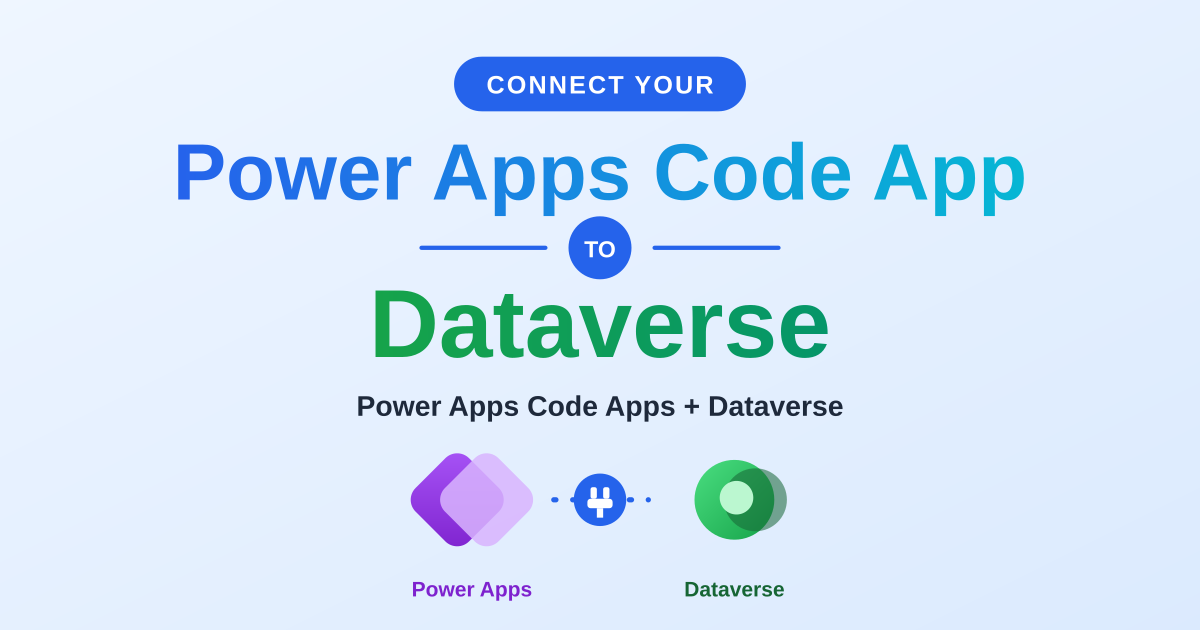
A hands-on guide to connecting a Power Apps Code app to Microsoft Dataverse with the PAC CLI: prerequisites, authenticating your environment, adding a Dataverse table as a data source, the auto-generated service and model files, and full create, read, update, and delete examples.
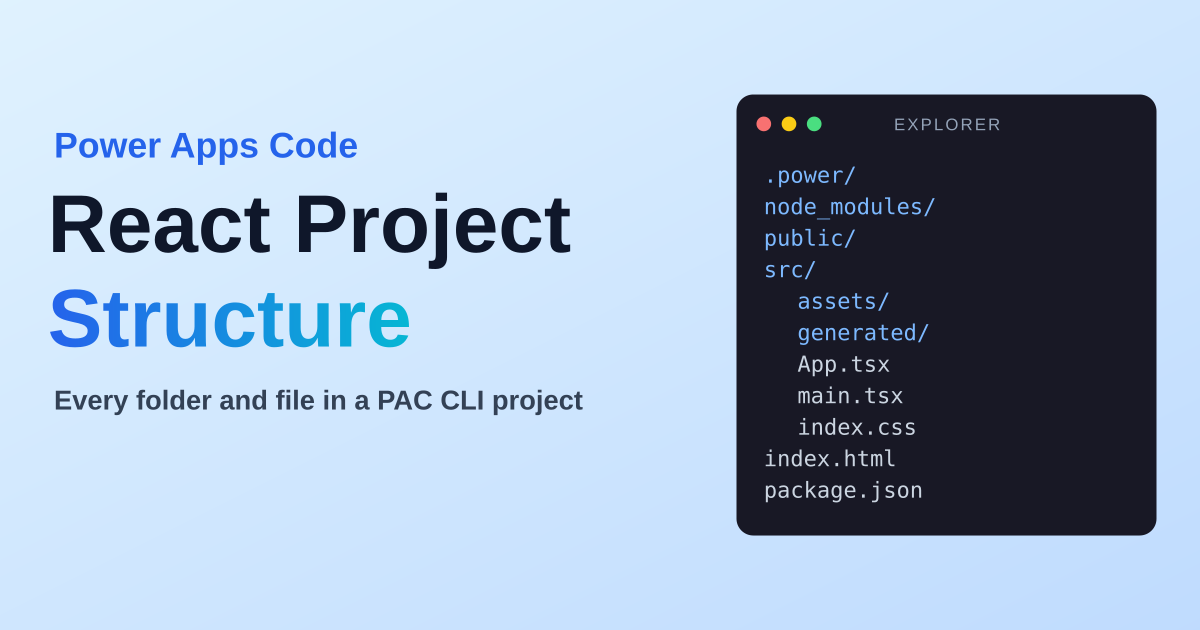
A folder-by-folder, file-by-file tour of a Power Apps Code (React + Vite + TypeScript) project scaffolded by the PAC CLI. What .power, node_modules, public, src and generated are for, what App.tsx, main.tsx, package.json and power.config.json do, and which files to leave alone.
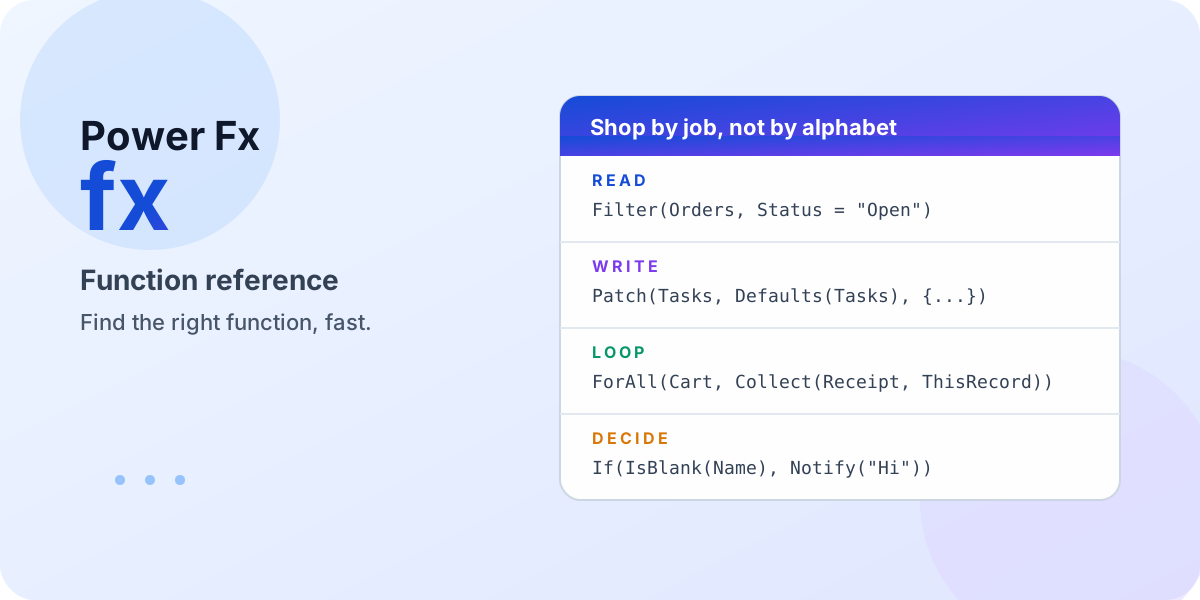
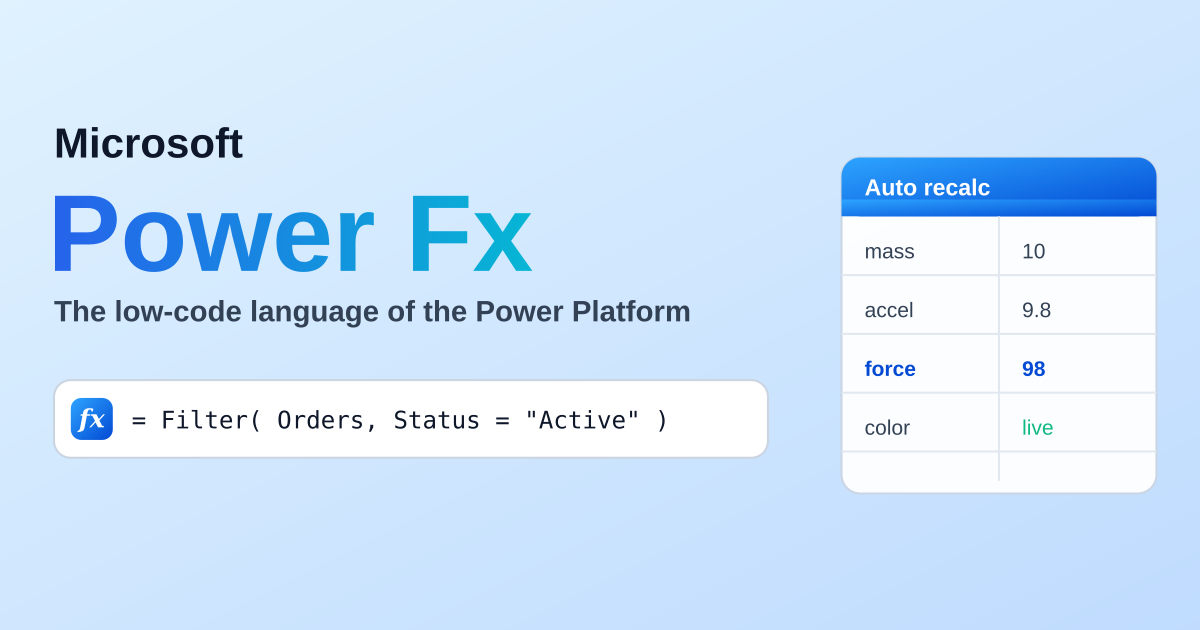
A plain-English introduction to Microsoft Power Fx — the Excel-like, low-code language behind Power Apps and the wider Power Platform. What it is, why it "thinks spreadsheet", how declarative formulas auto-recalculate, the no-code to pro-code spectrum, its design principles, and where you use it.
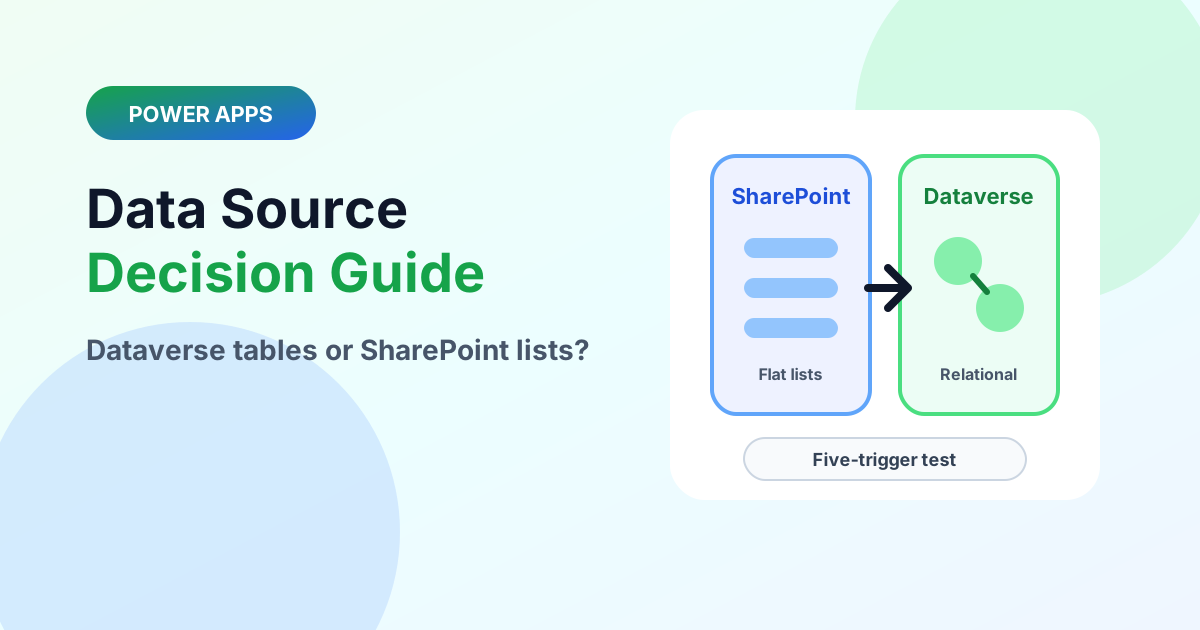
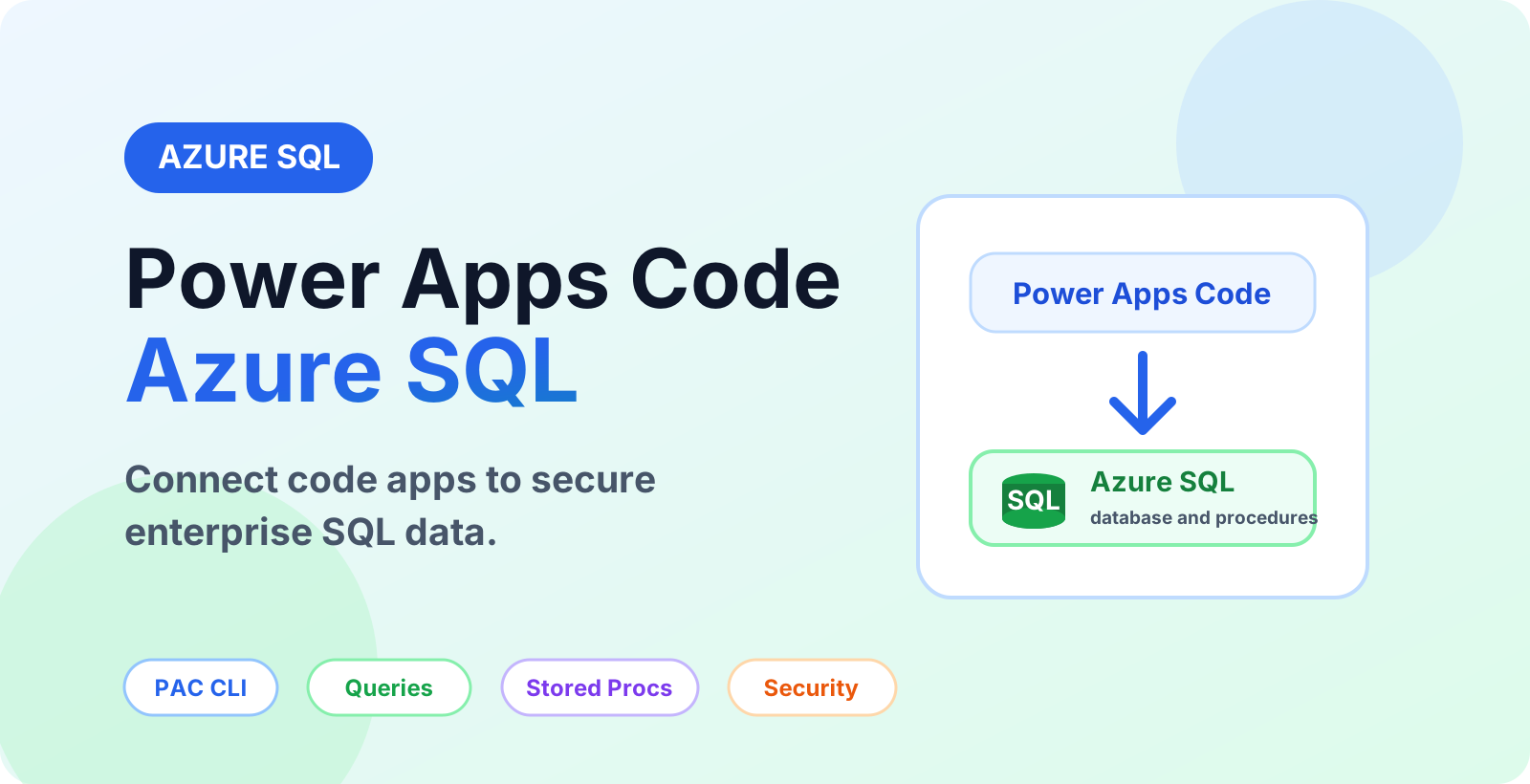
A complete developer guide to connecting Power Apps Code apps to any data source: Dataverse, Azure SQL, SharePoint, Copilot Studio agents, table metadata and REST APIs. See how to add each data source with PAC CLI, what each supports, how to choose the right one, and Microsoft best practices.
Set up your environment for Power Apps Code apps step by step: install the developer tools (VS Code, git, .NET, Node.js and the Power Platform CLI), enable code apps on your Power Platform environment, understand what PAC CLI does, compare installation options and OS support, verify your install, connect to an environment, and manage authentication profiles.
Meet Power Apps Code — Microsoft’s pro-code approach to building Power Platform apps with React, TypeScript, and modern tools. What it is, how it compares to canvas Power Apps, why it says goodbye to delegation warnings, the technologies and skills to learn, when to use it, and why it is not replacing canvas apps.
The current focus is Power Apps Code and developer-oriented Power Apps patterns.
Some articles are beginner-friendly, but Power Apps Code is most useful when you are comfortable with front-end development basics.