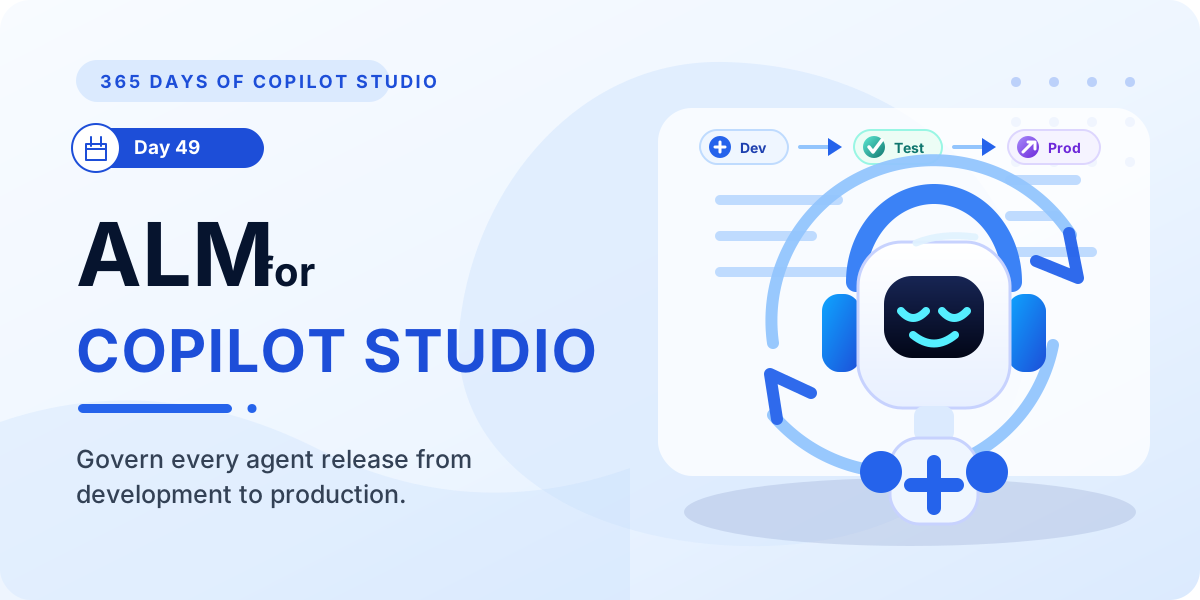

ALM for Microsoft Copilot Studio | Copilot Studio Day 49
Learn how ALM in Microsoft Copilot Studio helps teams plan, build, test, deploy, monitor, and improve agents across development, test, and production environments.
This category focuses on Microsoft Copilot Studio: building agents, planning topics, using knowledge sources, understanding licensing, testing behavior, publishing channels, and designing useful business scenarios. It includes both standalone guides and the ongoing 365 Days of Copilot Studio series.
Open the Microsoft Copilot Studio hubFollow how Copilot Studio components work together, how real-world assistants such as HR and IT help desk agents are structured, and how to move from a first test bot to a more structured agent implementation. The content is practical and implementation-focused.
Practical references on the concepts, setup steps, design choices, and common implementation patterns behind Microsoft Copilot Studio — for planning, building, testing, and improving Microsoft 365 solutions.
110 articles in “Microsoft Copilot Studio”
Learn how ALM in Microsoft Copilot Studio helps teams plan, build, test, deploy, monitor, and improve agents across development, test, and production environments.
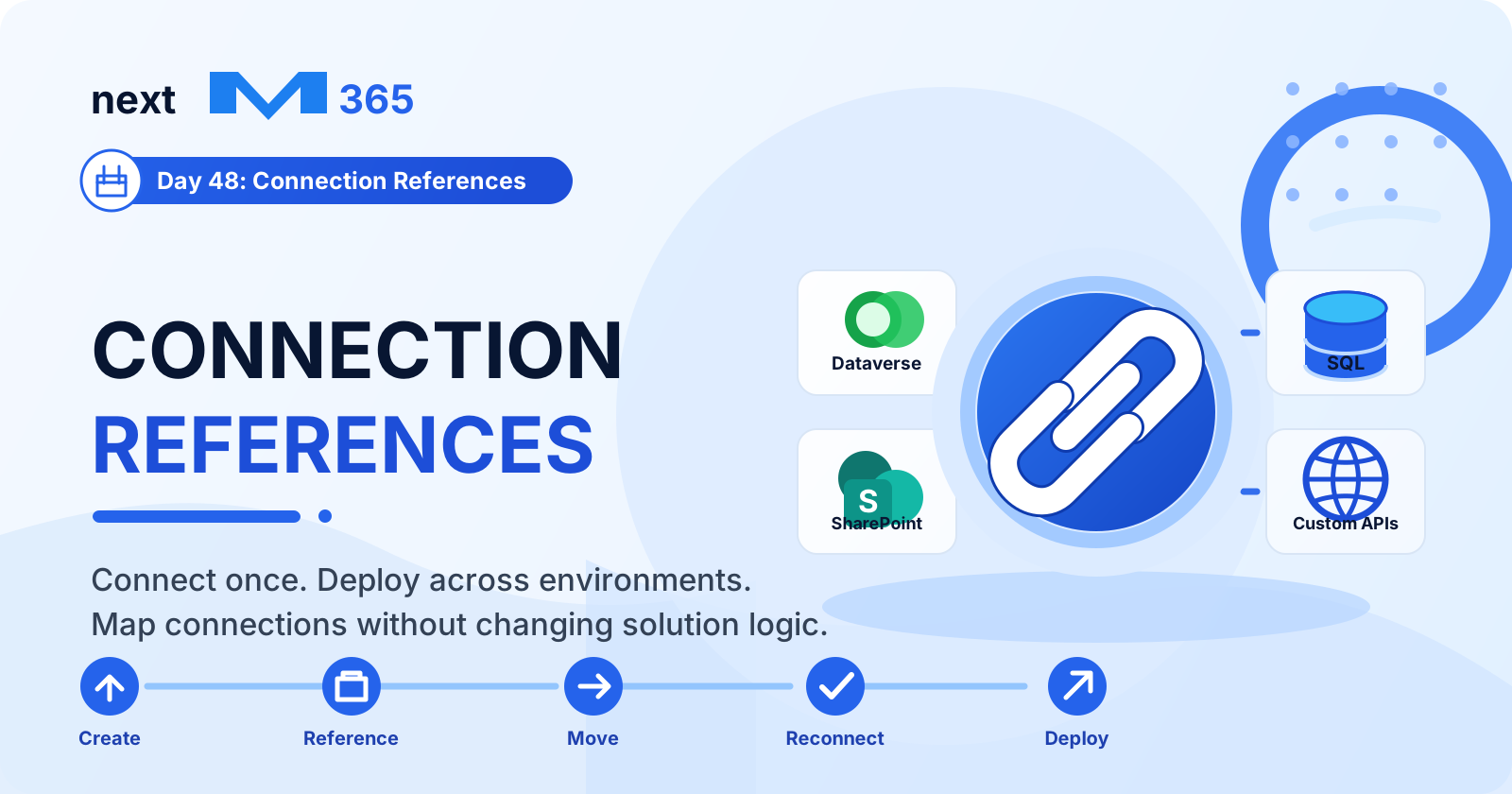
Learn how connection references in Copilot Studio and Power Platform make connectors reusable, secure, portable, and easier to manage across development, test, and production.
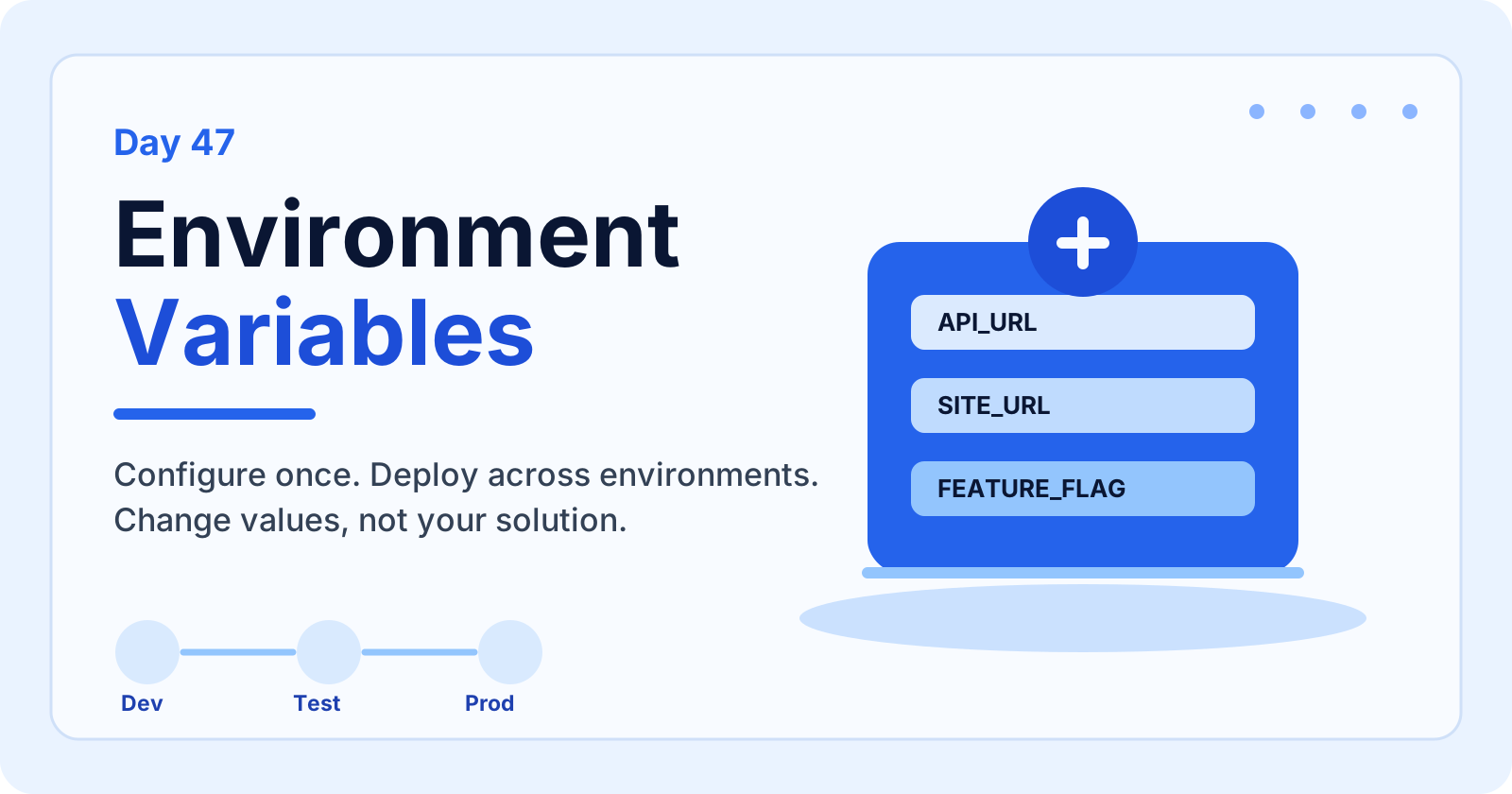
Learn how environment variables in Copilot Studio help you configure values per environment, reduce hardcoding, secure settings, support ALM, and deploy solutions across development, test, and production.
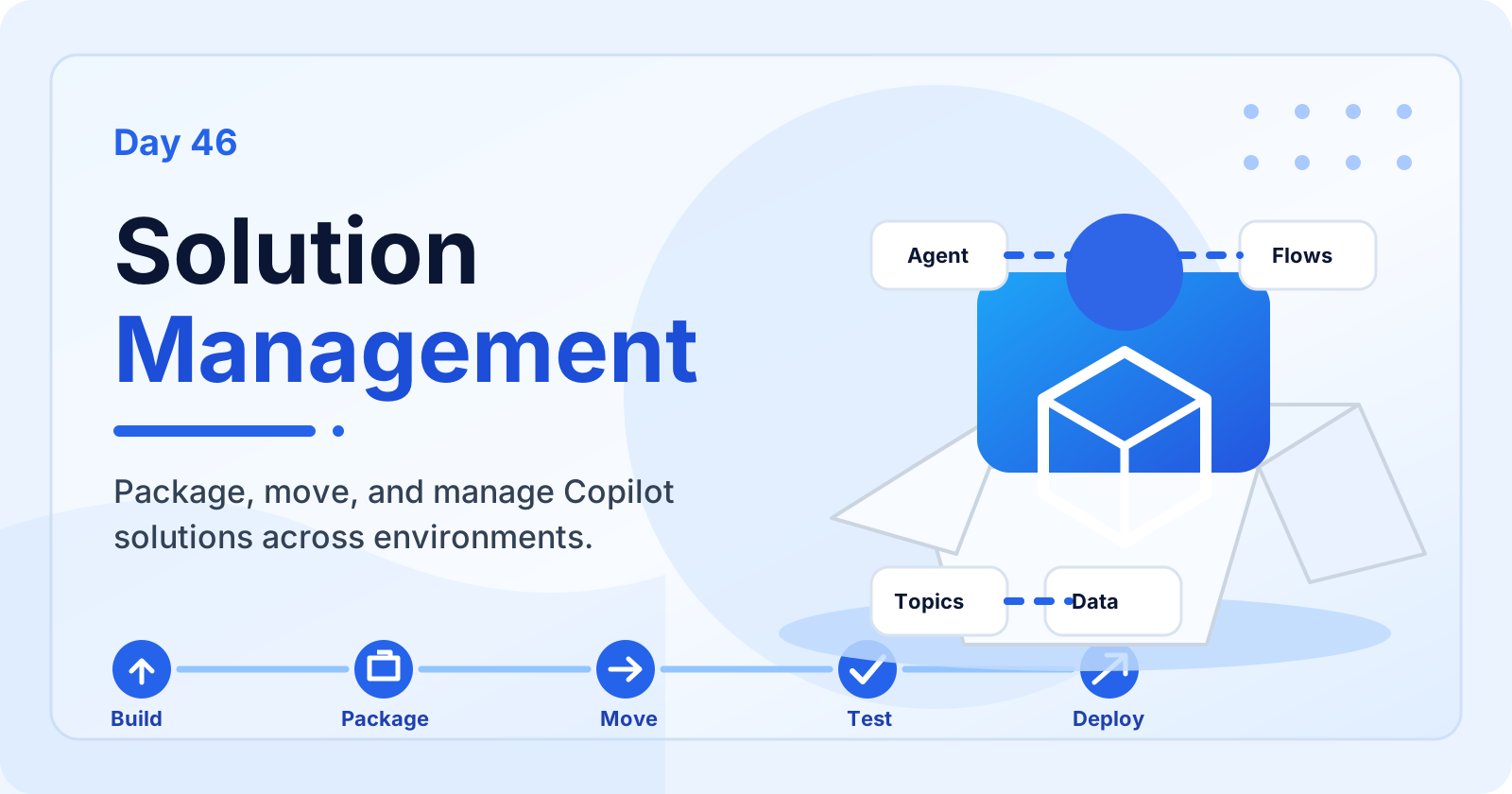
Learn how solution management in Microsoft Copilot Studio helps you package, organize, move, test, deploy, update, and maintain agents across environments.
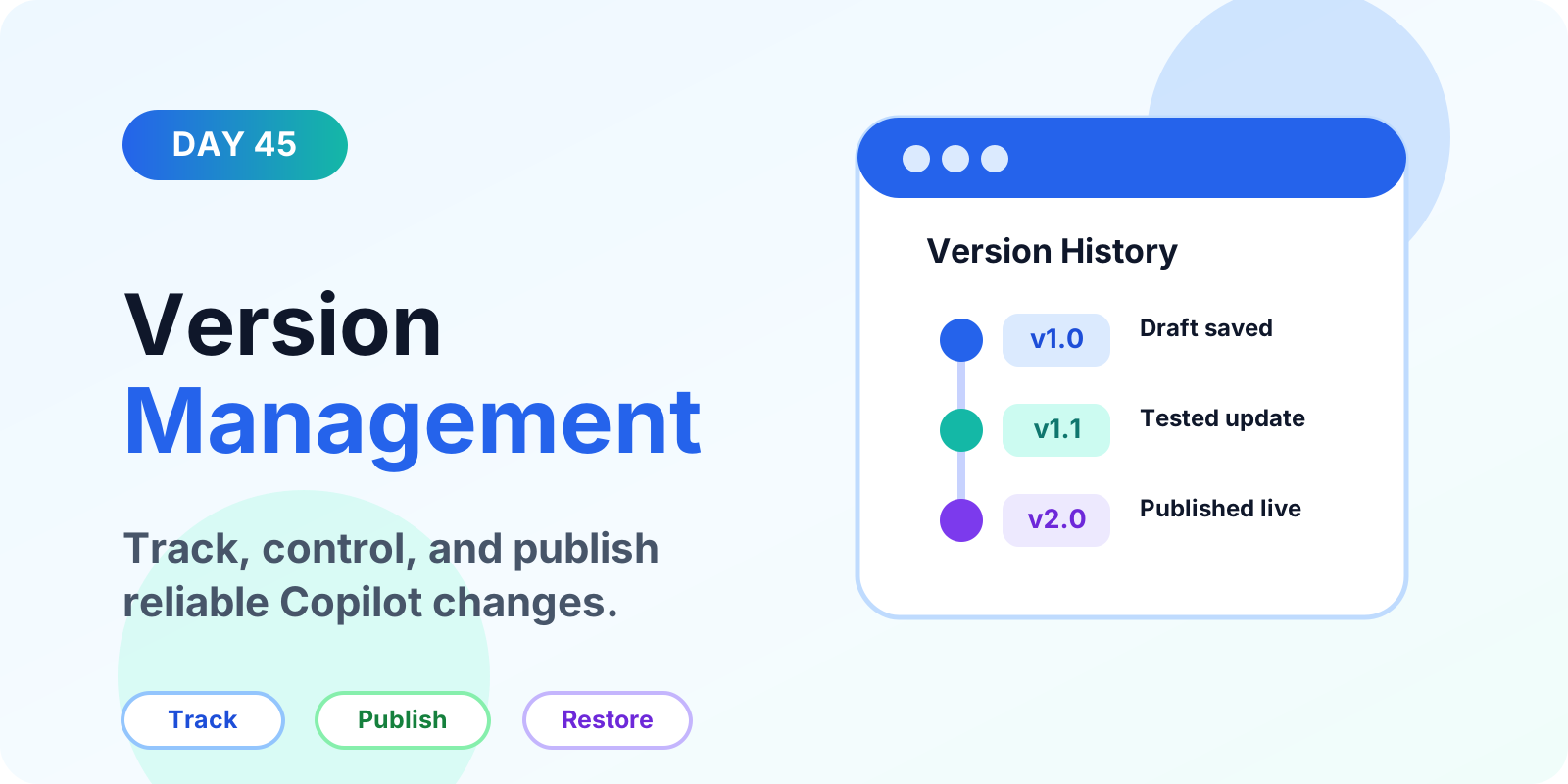
Learn how version management keeps Copilot Studio agents reliable, including draft versus published versions, testing, tracking changes, solutions, export and import, backups, environments, mistakes, and best practices.
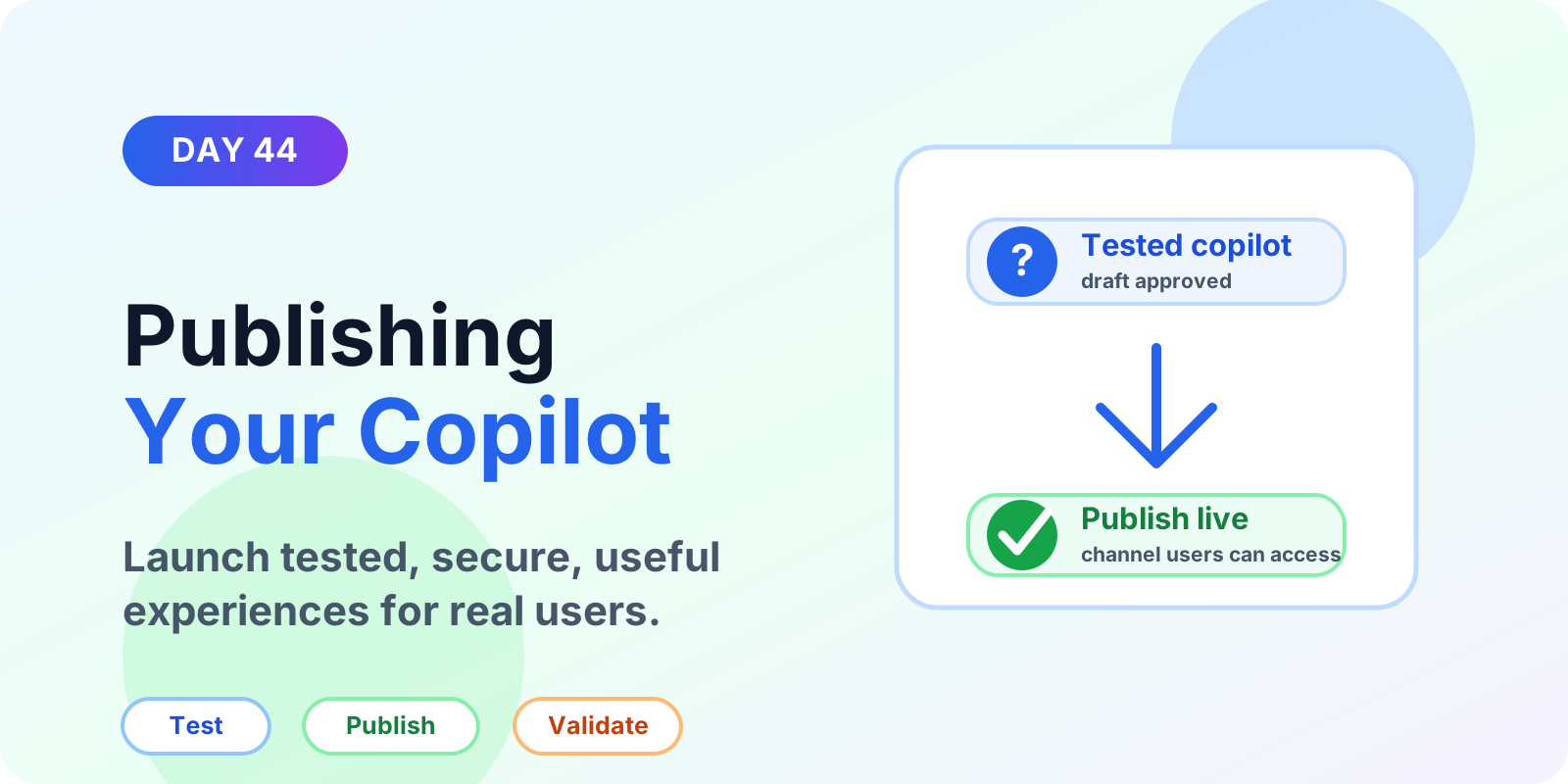
Pre-publish checks for a Copilot Studio agent: draft versus published versions, channels, Teams access, validation, monitoring, and common mistakes.
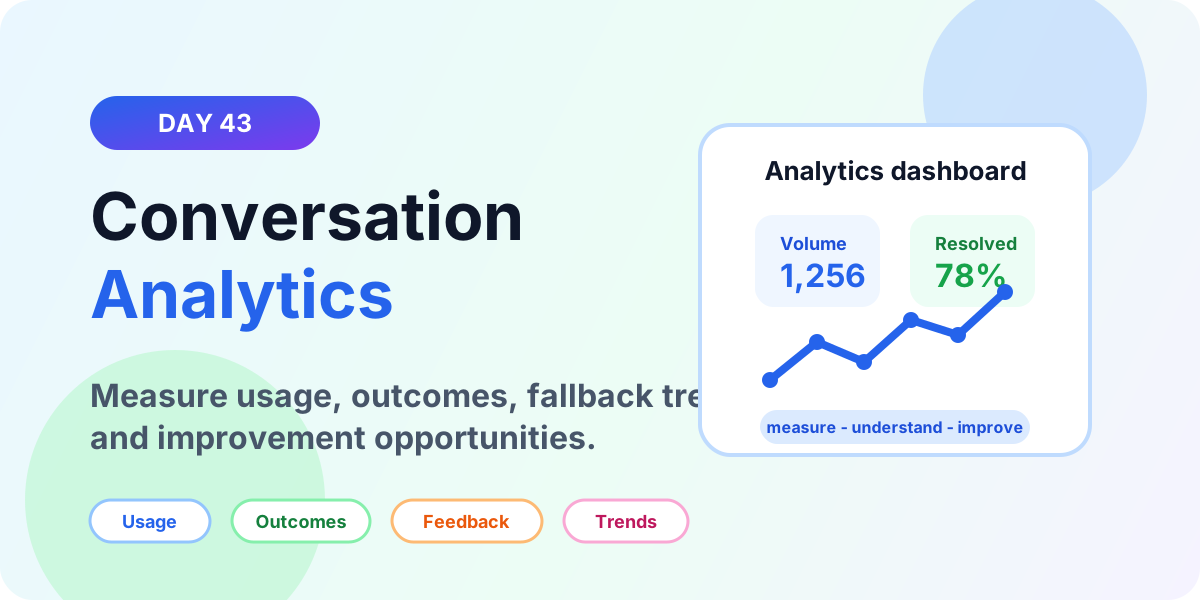
Learn how to use Copilot Studio conversation analytics to measure usage, engagement, topic performance, resolution outcomes, escalations, fallback trends, feedback, and improvement patterns.
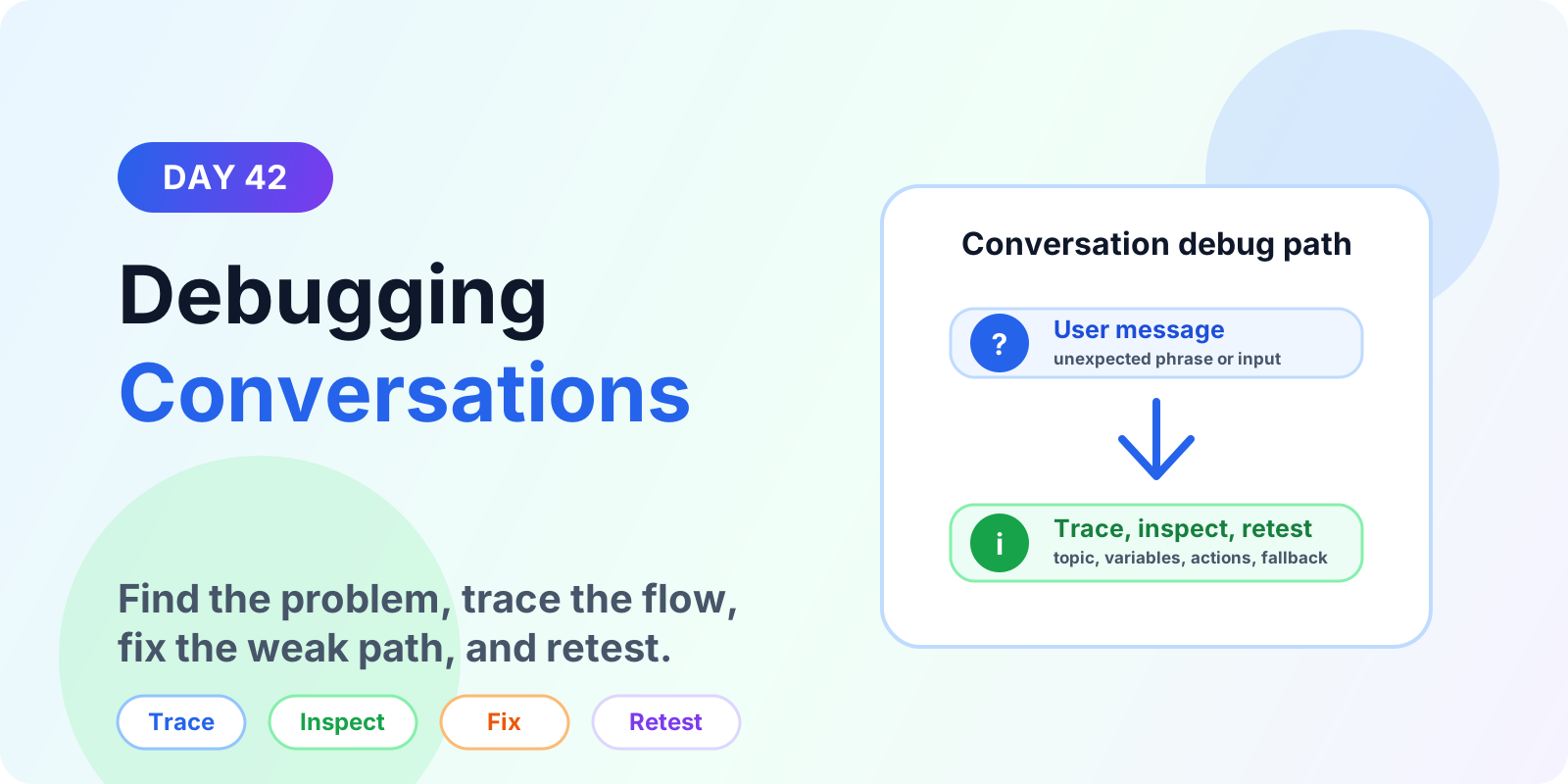
Learn how to debug Copilot Studio conversations by reproducing issues, checking topic triggering, tracing conversation flow, inspecting variables, testing actions, and fixing fallback loops.
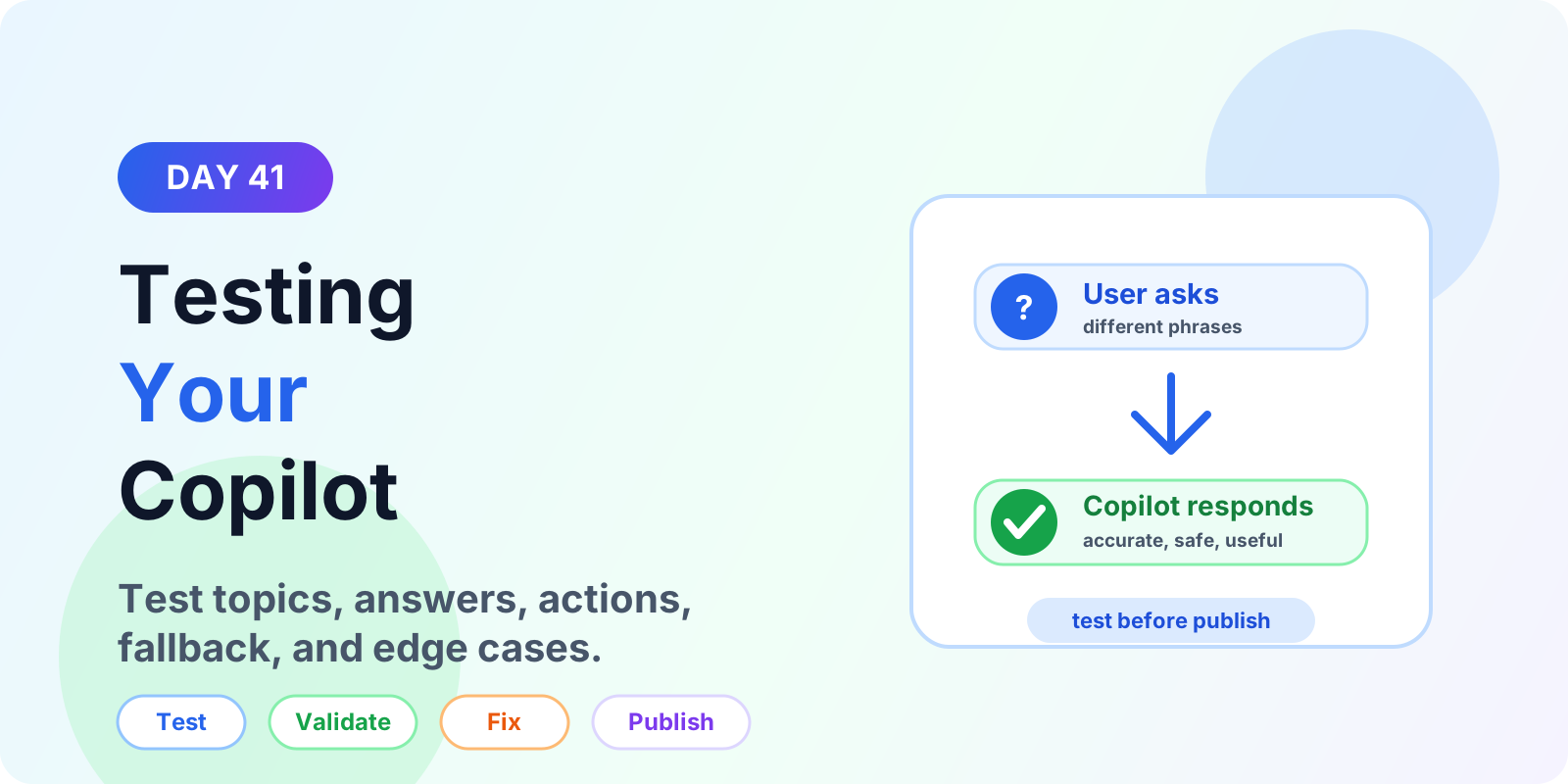
Learn how to test a Copilot Studio agent before publishing, including topics, trigger phrases, questions, variables, actions, generative answers, fallback paths, and edge cases.
Yes. Start with setup, licensing, and core component articles before moving into advanced scenarios.
Yes. The series is a structured subcategory inside Copilot Studio.